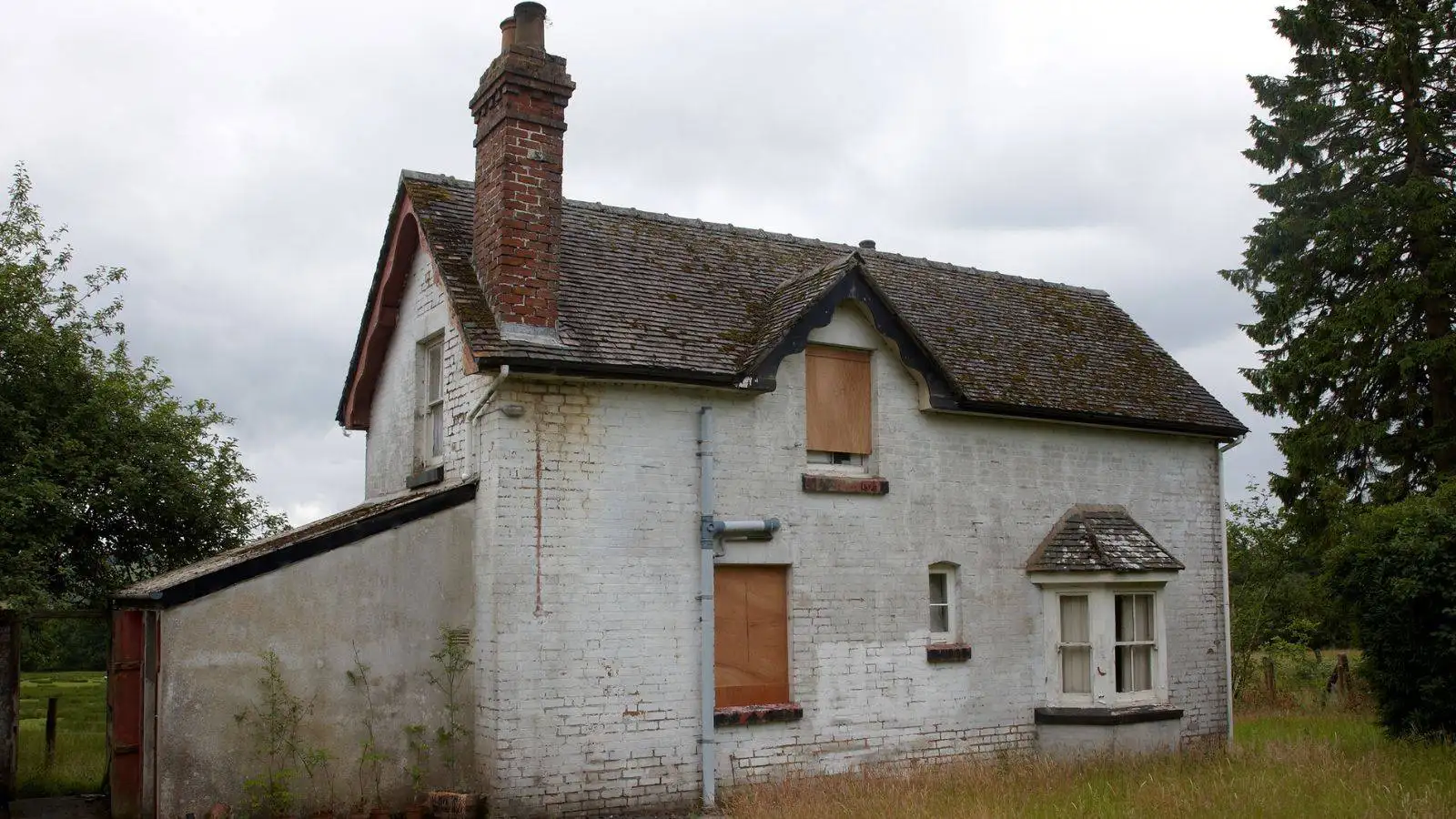
Understanding Uninhabitable Property SDLT UK 2025 Requirements and Refund Claims
Uninhabitable property SDLT UK 2025 classifications have become increasingly contentious following the landmark Court of Appeal decision in Mudan v HMRC [2025] EWCA Civ 799, which confirmed HMRC's strict interpretation of what constitutes a property "not suitable for use as a dwelling" under section 116 of the Finance Act 2003. This ruling affects property investors, developers, and individual purchasers seeking to apply non-residential SDLT rates to derelict or severely damaged properties, with HMRC now rejecting approximately 95% of uninhabitable property claims submitted for tax relief.
The distinction between residential and non-residential SDLT rates carries significant financial implications, particularly following the April 2025 threshold changes that reduced the nil-rate band from £250,000 to £125,000 and the October 2024 increase in additional property surcharge from 3% to 5%. Properties genuinely classified as uninhabitable attract maximum SDLT of 5% under non-residential rates, compared to residential rates reaching 17% for additional properties purchased by companies, creating potential savings of £100,000 or more on high-value transactions where classification applies correctly.
Understanding uninhabitable property SDLT UK 2025 requirements demands detailed knowledge of HMRC guidance, recent tribunal decisions, and the specific structural defects that genuinely render properties unsuitable for residential use. The aggressive marketing of "no win, no fee" refund schemes has prompted HMRC investigations into thousands of incorrectly submitted claims, with taxpayers facing repayment demands, interest charges, and potential penalties where claims cannot be substantiated with proper evidence of genuine uninhabitability at the transaction effective date.
Table Of Contents
- • What Constitutes Uninhabitable Property for SDLT Purposes
- • Mudan v HMRC 2025 and Current Case Law Developments
- • HMRC Criteria for Uninhabitable Property Classification
- • SDLT Refund Claim Process and Requirements
- • Common Mistakes and HMRC Investigation Risks
- • Practical Guidance for Property Purchasers
- • Frequently Asked Questions
What Constitutes Uninhabitable Property for SDLT Purposes
The statutory definition under section 116 of the Finance Act 2003 classifies residential property as "a building that is used or suitable for use as a dwelling, or is in the process of being constructed or adapted for such use." The critical test for uninhabitable property SDLT UK 2025 claims centres on whether a building retains its fundamental characteristics as a dwelling, not simply whether it requires repair or renovation before occupation.
HMRC guidance published in SDLTM00385 explicitly warns that "a very high proportion of SDLT repayment claims received in relation to this area are wrong" and urges caution against being misled by repayment agents into submitting incorrect claims. The guidance emphasises that if a building was previously used as a dwelling, it is fundamentally capable of being used as a dwelling again, assuming there is no lack of structural or other physical integrity preventing such use.
The Two-Stage Legal Test for Uninhabitable Classification
Courts apply a two-stage analysis when determining uninhabitable property SDLT UK 2025 status. First, they examine whether the property was designed and built as a dwelling and has historically been used for residential purposes. Second, they assess whether the building has lost its "fundamental characteristics" as a dwelling through deterioration, damage, or structural failure that goes beyond normal repair requirements.
The Upper Tribunal in Mudan clarified that suitability for use as a dwelling does not require a property to be habitable or ready for immediate occupation. A building may require substantial work—including complete rewiring, new plumbing systems, heating installation, and damp treatment—while still retaining its essential character as a dwelling suitable for residential use after repairs are completed.
Mudan v HMRC 2025 and Current Case Law Developments
The Court of Appeal judgment in Amarjeet and Tajinder Mudan v The Commissioners for His Majesty's Revenue and Customs [2025] EWCA Civ 799, handed down on 27 June 2025, represents the definitive authority on uninhabitable property SDLT UK 2025 classifications. The Mudans purchased a detached London property for approximately £1.5 million that required extensive remedial work including complete rewiring, plumbing replacement, broken window repairs, boiler installation, and water ingress treatment in the cellar.
The appellants initially paid SDLT at residential rates but subsequently claimed refunds arguing the property was not suitable for use as a dwelling at completion, seeking application of non-residential rates that would save approximately £100,000. HMRC rejected the claim, and the First-tier Tribunal, Upper Tribunal, and Court of Appeal all upheld HMRC's position that the property remained residential for SDLT purposes despite its condition.
Key Principles from the Mudan Judgment
- Fundamental Character Test: A property remains a dwelling unless it has lost its fundamental residential characteristics through structural failure or deterioration beyond normal repair
- Suitability vs Habitability: "Suitable for use as a dwelling" does not mean immediately habitable—properties requiring extensive repair work can still qualify as residential
- Historical Use Presumption: Buildings previously used as dwellings carry a strong presumption of continued dwelling status unless structurally compromised
- Effective Date Assessment: Classification must be determined at the transaction effective date based on physical attributes, not future intended use
- Repair Threshold: Work constituting "repair, renovation or fixing things" does not render a property unsuitable for dwelling use
The Court specifically rejected arguments that properties lacking working utilities, heating systems, or safe electrical installations automatically qualify for non-residential treatment. As Mr Mudan himself acknowledged during tribunal proceedings, the property "was still residential in character" at purchase despite requiring comprehensive renovation before occupation.
HMRC Criteria for Uninhabitable Property Classification
HMRC's published guidance provides explicit criteria distinguishing genuinely uninhabitable properties from dwellings merely requiring modernisation, renovation, or repair. Understanding these distinctions proves essential for anyone considering uninhabitable property SDLT UK 2025 claims, as HMRC actively investigates submissions and applies penalties where claims lack proper evidential foundation.
Conditions That Do NOT Qualify for Uninhabitable Status
| Property Condition | HMRC Classification | SDLT Treatment |
|---|---|---|
| Bathroom/kitchen removed for replacement | Still a dwelling | Residential rates apply |
| Substantial window, floor, or roof repairs needed | Still a dwelling | Residential rates apply |
| No working boiler or heating system | Still a dwelling | Residential rates apply |
| Unsafe or outdated electrical wiring | Still a dwelling | Residential rates apply |
| Utilities disconnected requiring reconnection | Still a dwelling | Residential rates apply |
| Severe damp or pest infestation | Still a dwelling | Residential rates apply |
| Fire or flood damage that can be repaired | Still a dwelling | Residential rates apply |
Conditions That MAY Qualify for Non-Residential Treatment
HMRC guidance identifies specific circumstances where properties may genuinely qualify as unsuitable for dwelling use, all involving structural or safety issues that make the building dangerous to occupy or work on:
- Dangerous Asbestos: High levels of asbestos requiring building deconstruction before any repair works can be undertaken safely
- Radioactive Contamination: High levels of radioactive pollution making the property unsafe for human occupation
- Structural Collapse Risk: High probability of walls collapsing, making the building dangerous to enter or work on
- Local Authority Prohibition: Hazards present that have resulted in a Prohibition Notice restricting use of the property
- Complete Structural Failure: Building has lost structural integrity to the extent that it cannot be safely repaired without demolition
The First-tier Tribunal decision in Davis & Guilbert v HMRC TC/2022/11605V provides an example where uninhabitable status was successfully established. The tribunal found the property genuinely unsuitable for dwelling use due to serious structural issues combined with dangerous asbestos presence, even though evidence suggested people had occupied the property shortly before completion. This demonstrates that genuine structural danger, not mere disrepair, constitutes the threshold for non-residential classification.
SDLT Refund Claim Process and Requirements
Property purchasers who believe they incorrectly paid residential SDLT rates on genuinely uninhabitable properties may submit refund claims to HMRC within four years from the effective date of the transaction. However, given HMRC's 95% rejection rate and active investigation programme, claims require comprehensive supporting evidence demonstrating genuine structural defects rendering the property unsuitable for dwelling use at the completion date.
Current SDLT Rate Comparison: Residential vs Non-Residential
| Property Value Band | Residential Rate | Additional Property Rate | Non-Residential Rate |
|---|---|---|---|
| Up to £125,000 / £150,000 | 0% | 5% | 0% |
| £125,001/£150,001 to £250,000 | 2% | 7% | 2% |
| £250,001 to £925,000 | 5% | 10% | 5% |
| £925,001 to £1.5 million | 10% | 15% | 5% |
| Above £1.5 million | 12% | 17% | 5% |
The potential savings from non-residential classification are substantial, particularly for additional property purchases. A £1 million additional property attracts approximately £73,750 SDLT under residential rates compared to £39,500 under non-residential rates—a difference exceeding £34,000. However, these savings are only available where properties genuinely qualify, and incorrect claims face serious consequences. Understanding how stamp duty calculations apply to different property classifications helps purchasers assess whether uninhabitable claims might be appropriate for their specific circumstances.
Refund Claim Submission Requirements
Uninhabitable property SDLT UK 2025 refund claims must be submitted by post to BT Stamp Duty Land Tax, HM Revenue and Customs, BX9 1HD. Claims cannot be submitted online and require comprehensive supporting documentation including:
- Structural Survey Evidence: Professional surveys documenting specific structural defects, collapse risks, or dangerous conditions at completion date
- Photographic Documentation: Comprehensive dated photographs showing property condition at or near the transaction effective date
- Specialist Reports: Asbestos surveys, structural engineer assessments, or environmental contamination reports where relevant
- Local Authority Records: Prohibition notices, building control enforcement, or dangerous structure declarations if applicable
- Original SDLT Return: Details of the original transaction including unique transaction reference number
Common Mistakes and HMRC Investigation Risks
HMRC has significantly increased scrutiny of uninhabitable property SDLT UK 2025 claims following proliferation of "no win, no fee" refund schemes that encouraged purchasers to submit claims for properties that clearly retained dwelling status. Understanding common mistakes helps purchasers avoid investigation risks, penalty exposure, and the significant costs of defending incorrect claims through tribunal proceedings.
The most frequent error involves conflating "uninhabitable" with "requiring repair." Properties needing substantial renovation—even comprehensive gutting and rebuilding of interiors—typically remain dwellings for SDLT purposes provided the structure remains sound. The Mudan case explicitly addressed this distinction, confirming that even properties requiring complete rewiring, plumbing replacement, heating installation, and window repairs remain residential where the fundamental building structure is intact.
Red Flags That Trigger HMRC Investigations
HMRC actively monitors uninhabitable property SDLT UK 2025 claims for indicators suggesting incorrect submissions. Properties near SDLT threshold boundaries attract particular scrutiny, as do claims submitted through known "refund agent" firms that HMRC has identified as encouraging incorrect applications. Understanding these risk factors helps purchasers assess whether claims are likely to withstand investigation:
- Recent Occupation Evidence: Properties where people were living shortly before completion rarely qualify regardless of condition
- Planning Permission Context: Properties purchased with demolition and rebuild permissions may still be dwellings at completion
- Threshold Proximity: Claims on properties just above SDLT thresholds attract heightened scrutiny
- Refund Agent Submissions: Claims submitted through identified "no win, no fee" firms face automatic review
- Insufficient Documentation: Claims lacking structural engineer reports or specialist surveys rarely succeed on appeal
The consequences of incorrect claims extend beyond repaying the original SDLT difference. HMRC applies interest from the original due date and may impose penalties ranging from 0% for reasonable care to 100% of the tax due for deliberate and concealed errors. In serious cases, criminal prosecution for tax fraud remains possible, particularly where professional advice was available but ignored or where false documentation was submitted.
Property purchasers considering uninhabitable claims benefit from understanding chattels and fixtures SDLT classifications as an alternative approach to legitimate tax reduction where appropriate. Additionally, purchasers of genuinely derelict properties should consult specialist property lawyers before completion to ensure correct SDLT treatment from the outset rather than relying on retrospective refund claims.
Practical Guidance for Property Purchasers
Purchasers considering properties in poor condition should obtain professional advice before completion rather than relying on post-transaction refund claims. Independent structural surveys, specialist assessments of any dangerous conditions, and legal advice on SDLT classification help establish correct treatment from the outset while creating contemporaneous evidence if HMRC later queries the position.
The key question remains whether the property has lost its fundamental characteristics as a dwelling. Properties that look like houses, were built as houses, and have historically been used as houses almost always remain dwellings for SDLT purposes regardless of their current condition. Only properties with genuine structural collapse risks, dangerous contamination, or regulatory prohibition orders are likely to qualify for non-residential treatment.
For purchasers of investment properties or second homes, the additional property SDLT surcharge creates particular incentive to seek non-residential classification. However, the 5% surcharge applies to most additional residential purchases, and attempting to avoid this through incorrect uninhabitable claims creates substantial investigation and penalty risks that typically outweigh any potential savings. Understanding current SDLT rates and reliefs helps purchasers identify legitimate savings opportunities without the risks associated with contested uninhabitable claims.
Frequently Asked Questions
What makes a property uninhabitable for SDLT purposes UK 2025?
A property qualifies as uninhabitable for SDLT purposes only when it has lost its fundamental characteristics as a dwelling through structural failure, dangerous contamination, or regulatory prohibition. Following Mudan v HMRC [2025], properties requiring extensive repair work—including rewiring, plumbing replacement, and heating installation—remain residential dwellings. HMRC guidance specifies that only properties with dangerous asbestos requiring deconstruction, radioactive contamination, high collapse probability, or Local Authority Prohibition Notices may qualify for non-residential SDLT rates.
How much can I save with uninhabitable property SDLT UK 2025 classification?
Potential savings from non-residential SDLT classification are substantial. For additional property purchases, a £500,000 property attracts approximately £30,000 SDLT under residential rates versus £14,500 under non-residential rates. For £1 million properties, the difference exceeds £34,000. However, HMRC rejects approximately 95% of uninhabitable property claims, and incorrect submissions result in repayment demands, interest charges, and potential penalties that can exceed any initial savings.
What did Mudan v HMRC 2025 decide about uninhabitable properties?
The Court of Appeal in Mudan v HMRC [2025] EWCA Civ 799 confirmed that "suitable for use as a dwelling" does not mean immediately habitable. The Mudans' property required complete rewiring, plumbing replacement, new heating, and window repairs, yet remained a residential dwelling for SDLT. The court held that properties retain dwelling status unless they have lost their fundamental residential characteristics through structural failure. This ruling supports HMRC's strict interpretation and has effectively blocked most repair-based uninhabitable claims.
How do I claim an SDLT refund for uninhabitable property UK?
Uninhabitable property SDLT refund claims must be submitted by post to BT Stamp Duty Land Tax, HM Revenue and Customs, BX9 1HD within four years of the transaction effective date. Claims require comprehensive evidence including structural engineer reports, specialist contamination surveys, dated photographs, and Local Authority documentation where applicable. Given HMRC's 95% rejection rate, professional legal advice is strongly recommended before submitting claims to assess prospects of success and avoid investigation risks.
Does a property without a kitchen or bathroom qualify as uninhabitable for SDLT?
No. HMRC guidance explicitly states that temporary removal of bathroom or kitchen facilities does not render a property unsuitable for dwelling use. Similarly, properties lacking working boilers, heating systems, safe electrical wiring, or connected utilities remain residential dwellings for SDLT purposes. These are classified as "common issues which can be rectified relatively quickly" through normal repair or renovation work, and do not affect the property's fundamental character as a dwelling.
What are the penalties for incorrect uninhabitable property SDLT claims UK?
Incorrect uninhabitable property SDLT claims result in repayment of the full tax difference plus interest calculated from the original due date. HMRC may also impose penalties ranging from 0% for reasonable care to 100% of the tax due for deliberate and concealed errors. Criminal prosecution for tax fraud remains possible in serious cases. Taxpayers remain personally liable for these consequences even where claims were submitted by "no win, no fee" refund agents who may be unwilling or unable to assist once investigations begin.
Should I use a "no win, no fee" refund agent for uninhabitable property SDLT claims?
HMRC strongly warns against using "no win, no fee" refund agents for uninhabitable property SDLT claims, noting that these firms often encourage incorrect submissions. While agents may secure initial refunds, HMRC can investigate for up to four years (or 20 years for fraud) and demand repayment with interest and penalties. The taxpayer—not the agent—bears legal responsibility for claim accuracy. Many refund agents cease trading or refuse assistance once HMRC opens reviews, leaving taxpayers to face consequences alone.
How long does HMRC have to investigate uninhabitable property SDLT UK 2025 claims?
HMRC can open formal enquiries into SDLT returns within nine months of submission. However, the assessment window extends to four years from the filing date for standard cases, and potentially 20 years where deliberate error or fraud is suspected. This means purchasers who received initial refunds may face repayment demands years later following HMRC's review. Given HMRC's current focus on uninhabitable property claims, purchasers should expect scrutiny of any refunds received through this route.
Expert Property Tax Legal Guidance
✓ SDLT Classification Analysis
Expert assessment of property conditions against HMRC criteria and current case law including Mudan v HMRC 2025 to determine genuine uninhabitable status prospects
✓ Refund Claim Support
Comprehensive assistance with evidence gathering, documentation preparation, and HMRC submissions for properly substantiated uninhabitable property claims
✓ Investigation Defence
Professional representation for HMRC enquiries and tribunal proceedings where uninhabitable property classifications are challenged or under review
Uninhabitable property SDLT UK 2025 claims require careful assessment against strict HMRC criteria and recent Court of Appeal guidance. With 95% of claims rejected and active investigation programmes targeting incorrect submissions, professional legal advice proves essential for purchasers considering this route to legitimate tax savings.
Understanding the distinction between properties genuinely unsuitable for dwelling use and those simply requiring repair or renovation protects purchasers from investigation risks, penalty exposure, and the significant costs of defending contested claims through tribunal proceedings.
For expert guidance on uninhabitable property SDLT UK 2025 classifications, refund claim assessments, and property tax compliance, contact Connaught Law's specialist property team. Our experienced solicitors provide comprehensive advice ensuring clients understand genuine qualification criteria while avoiding the substantial risks associated with incorrect claims.