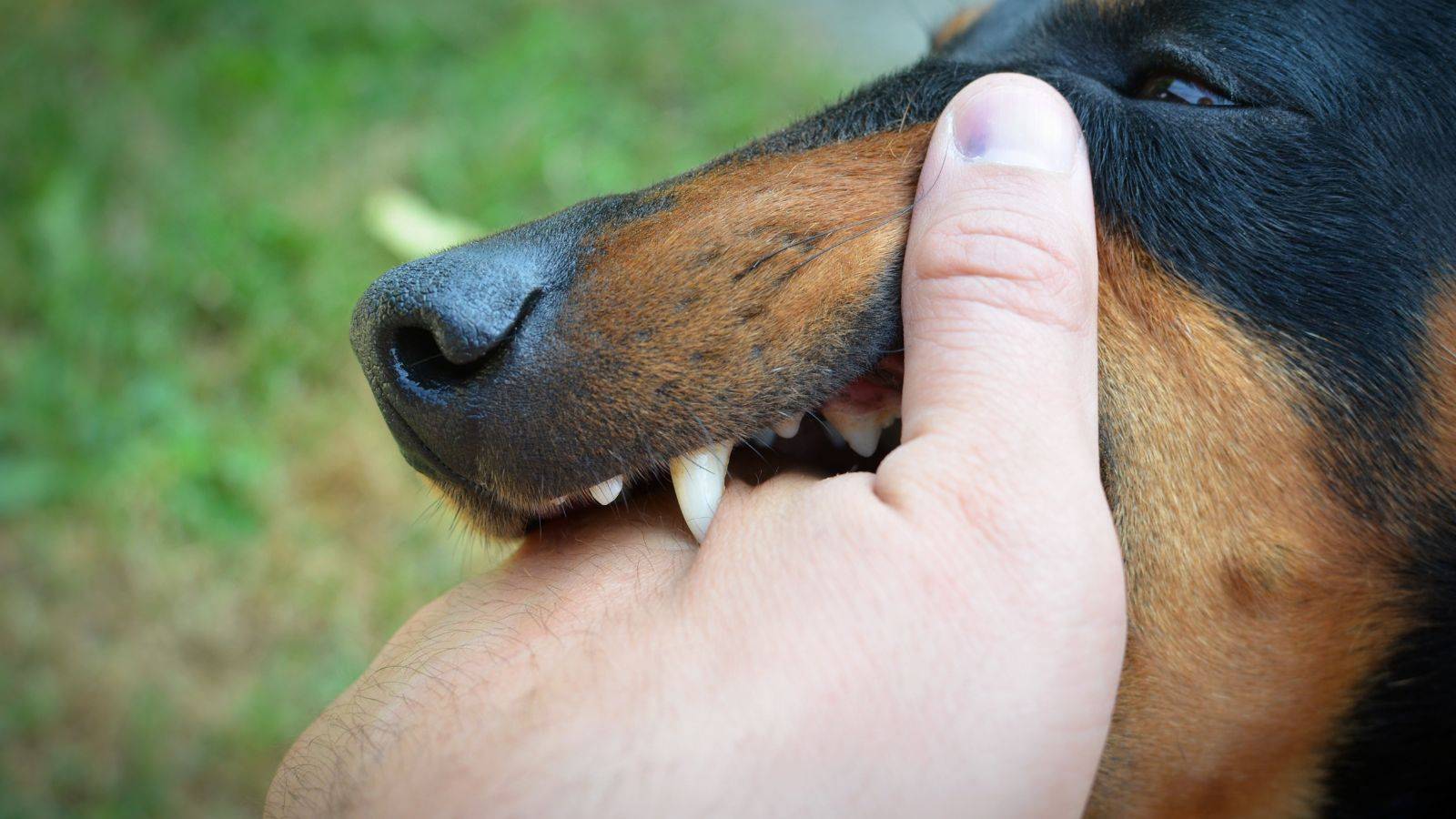
Understanding Dog Bite Compensation Claims UK 2025 Requirements
Dog bite compensation claims UK 2025 procedures have evolved significantly following the XL Bully ban implementation in February 2024, increased hospital admission rates reaching 9,336 treatments in 2022-23, and the Judicial College Guidelines 17th Edition introducing 22% compensation increases across all injury categories. Victims of dog attacks face complex legal processes involving Dangerous Dogs Act 1991 provisions, Animals Act 1971 strict liability principles, and owner negligence assessment requiring comprehensive evidence gathering and strategic claim preparation.
The surge in dog ownership from 9 million in 2019-20 to 13.5 million in 2021-22 has contributed to dramatic increases in attack incidents, with 16 fatalities recorded in 2023 compared to just 2 in 2019, demonstrating the growing public safety concerns addressed through enhanced legal frameworks and compensation mechanisms. Dog bite compensation claims UK 2025 encompass physical injuries from minor puncture wounds to life-changing facial trauma, psychological consequences including PTSD and cynophobia, and financial losses requiring detailed medical evidence, witness testimony, and expert legal assessment.
Whether dog attacks occur in public spaces, private property, or workplace environments, understanding eligibility criteria, compensation calculation methods, and time limit compliance proves essential for securing fair settlements addressing both immediate treatment costs and long-term impact on quality of life, career prospects, and emotional wellbeing through comprehensive legal representation.
Table Of Contents
- • Legal Framework for Dog Bite Compensation Claims 2025
- • Dog Bite Compensation Amounts and 2025 Guidelines
- • Eligibility Requirements and Proving Dog Bite Claims
- • UK Dog Attack Statistics and Trends 2025
- • Compensation Calculation and Special Damages Components
- • Dog Bite Claim Process and Evidence Requirements
- • Workplace Dog Bite Claims and Employer Liability
- • Frequently Asked Questions
Legal Framework for Dog Bite Compensation Claims 2025
Dangerous Dogs Act 1991 and 2024 XL Bully Ban
The Dangerous Dogs Act 1991 establishes criminal liability for dog owners whose animals are dangerously out of control, with Section 3 creating fundamental duties to maintain control in both public and private spaces following the 2014 amendment extending protections to private property. The February 2024 XL Bully ban represents the most significant legislative development since the original Act, prohibiting possession without valid exemption certificates requiring muzzling, insurance, neutering, and microchipping compliance.
Dog bite compensation claims UK 2025 benefit from strengthened legal frameworks addressing owner negligence through criminal prosecution potential alongside civil compensation recovery. The Dangerous Dogs (Compensation and Exemption Schemes) (England and Wales) Order 2023 clarifies XL Bully requirements while maintaining that any breed can be dangerously out of control, ensuring victims retain compensation rights regardless of dog breed or banned status under current legislation according to Crown Prosecution Service guidance.
Animals Act 1971 Strict Liability Provisions
The Animals Act 1971 imposes strict liability on dog owners in circumstances where animals display dangerous characteristics or aggressive tendencies, creating enhanced compensation prospects when dog attack history demonstrates owner knowledge of potential harm risks. This legislation strengthens personal injury claims by establishing owner liability regardless of whether previous attacks occurred, focusing instead on reasonable foreseeability and appropriate control measures implementation.
Strict liability provisions significantly benefit dog bite victims by reducing burden of proof requirements compared to standard negligence claims, though contributory negligence defenses remain available where victims provoked attacks or trespassed on property. Understanding these legal distinctions enables strategic claim preparation emphasizing owner failures alongside injury severity and impact documentation.
Dog Bite Compensation Amounts and 2025 Guidelines
Judicial College Guidelines 17th Edition Updates
The Judicial College Guidelines 17th Edition published April 2024 introduced approximately 22% compensation increases across all injury categories, reflecting inflation adjustments from September 2021 through August 2023 when guidelines were drafted. These substantial increases significantly enhance dog bite compensation claims UK 2025 prospects, with facial scarring awards rising from £13,740-£26,590 to £16,770-£32,450 for moderate injuries, while severe disfigurement compensation increased from £219,070-£403,990 to £344,150-£493,000 for life-changing cases.
Dog bite victims now receive enhanced recognition of psychological trauma impact, with PTSD and anxiety compensation ranging £1,500-£8,000+ depending on severity and ongoing treatment requirements. The guidelines specifically address scarring compensation premiums for visible injuries, particularly facial damage affecting children who receive 50-80% higher awards due to longer life impact and developmental consequences requiring comprehensive medical assessment and expert testimony.
2025 Dog Bite Compensation Ranges by Injury Severity
| Injury Severity | 2025 Compensation Range | Typical Recovery Period | Key Compensation Factors |
|---|---|---|---|
| Minor Bite/Scratches | £1,000 - £3,000 | 1-4 weeks | Victim age, bite location, infection risk, psychological impact |
| Moderate Puncture Wounds | £3,000 - £8,000 | 2-8 weeks | Wound depth, stitches required, nerve damage, scarring extent |
| Severe Lacerations Requiring Surgery | £8,000 - £15,000 | 2-6 months | Surgical complexity, reconstruction needs, permanent scarring |
| Facial Injuries with Visible Scarring | £10,000 - £25,000 | 3-12 months | Cosmetic disfigurement, psychological trauma, age factor |
| Multiple Severe Injuries | £15,000 - £35,000 | 6-18 months | Multiple bite sites, complications, extended recovery |
| Life-Changing Injuries | £25,000 - £80,000+ | 12+ months | Permanent disability, limb loss, career impact, ongoing care |
Eligibility Requirements and Proving Dog Bite Claims
Essential Legal Elements for Successful Claims
Dog bite compensation claims UK 2025 require proving four fundamental elements establishing owner liability and victim entitlement: the dog owner or person in control owed a duty of care under Dangerous Dogs Act 1991 provisions, this duty was breached through failure to maintain adequate control or implement safety measures, the breach directly caused physical or psychological injuries requiring medical treatment, and quantifiable losses resulted from the attack including medical expenses, lost earnings, and ongoing treatment costs.
Establishing these elements requires comprehensive evidence gathering including immediate medical records documenting injury severity and treatment requirements, photographic evidence of wounds and scarring progression, witness statements describing attack circumstances and owner behavior, police reports detailing incident investigation and dog history, and expert medical assessments quantifying both physical damage and psychological trauma requiring ongoing therapeutic intervention through recognized mental health professionals.
Owner Negligence and Control Failures
Common owner negligence circumstances supporting dog bite compensation claims UK 2025 include dogs off-lead in inappropriate environments, failure to muzzle dogs with known aggressive tendencies, inadequate fencing or containment allowing property escapes, deliberate dog antagonization or encouragement of aggressive behavior, and banned breed ownership without proper exemption certificates and insurance coverage required under current legislation.
The 70% of dog attacks occurring in home environments demonstrate that private property incidents qualify for compensation under 2014 Dangerous Dogs Act amendments, though contributory negligence defenses may apply where victims trespassed or provoked attacks. Understanding these liability nuances enables accurate claim assessment and strategic evidence presentation addressing all potential defense arguments while maintaining focus on owner failures and victim innocence.
UK Dog Attack Statistics and Trends 2025
Hospital Admission and Fatality Data
NHS statistics reveal alarming increases in dog bite hospital admissions reaching 9,336 treatments in 2022-23 compared to 4,699 in 2007-08, representing a 98% increase over 15 years driven primarily by adult victims rather than children contrary to common assumptions. The 16 fatalities recorded in 2023 represent an 800% increase from the 2 deaths in 2019, highlighting escalating severity of attacks requiring enhanced prevention measures and public safety initiatives according to government data.
Dog bite hospital admissions between 1998 and 2018 cost the NHS £174 million in direct healthcare expenses, with estimated 207,103 annual A&E attendances for dog-related injuries demonstrating the substantial public health burden. Regional variations show Merseyside recording highest rates at 32.2 admissions per 100,000 population, while Kent and Medway report lowest rates at 7.3 per 100,000, suggesting socioeconomic and geographic factors influence attack prevalence and severity.
Pandemic Impact on Dog Ownership and Attacks
The pandemic-driven surge in dog ownership saw 3.2 million households acquiring dogs during lockdown periods, increasing UK dog population from 9 million in 2019-20 to 13.5 million in 2021-22. This 50% ownership increase correlates with rising attack incidents as many new owners lacked experience providing adequate socialization, training, and behavioral management essential for preventing aggressive tendencies and maintaining control in various environments.
Dog attacks resulting in injury to people surged from 16,000 incidents in 2018 to over 35,000 by 2023 according to Freedom of Information requests, representing a 119% increase within five years. Experts attribute increases to inadequate socialization during lockdowns, owner inexperience, and anxiety-driven aggression in poorly trained dogs requiring professional behavioral intervention and responsible ownership education.
Compensation Calculation and Special Damages Components
General Damages for Pain and Suffering
General damages compensate physical pain, suffering, and loss of amenity resulting from dog bite injuries, calculated using Judicial College Guidelines providing standardized ranges based on injury severity, location, and long-term impact. Facial injuries attract 150-250% premiums over limb damage due to visible scarring psychological consequences, while children receive 50-80% enhanced awards reflecting longer life impact and developmental considerations requiring special education or psychological support services.
Scarring compensation varies from £2,000-£20,000 depending on visibility, extent, and location, with facial scars securing higher awards than body scarring. Psychological trauma including PTSD, cynophobia, and anxiety disorders contribute £1,500-£8,000+ additional compensation depending on symptom severity, treatment duration, and impact on daily functioning, social engagement, and employment capacity requiring expert psychiatric or psychological assessment documentation.
Special Damages for Financial Losses
Special damages recover quantifiable financial losses caused by dog attacks including medical expenses for emergency treatment, surgery, reconstructive procedures, medications, and ongoing therapy; lost earnings during recovery periods and reduced earning capacity from permanent disabilities affecting work performance; travel costs for medical appointments, specialist consultations, and treatment sessions; care costs for assistance during recovery when victims cannot perform daily activities independently; and future treatment expenses for plastic surgery, scar revision procedures, and long-term psychological counseling.
Comprehensive special damages claims require detailed documentation including medical invoices, prescription receipts, employer confirmation of absence and lost earnings, transport receipts, care provider invoices, and expert evidence of future treatment needs and associated costs. Maintaining organized records throughout recovery significantly enhances compensation prospects by demonstrating genuine financial impact requiring reimbursement through successful claim settlement or court judgment.
Dog Bite Claim Process and Evidence Requirements
Immediate Actions Following Dog Attacks
Taking prompt action following dog attacks proves essential for preserving evidence and protecting legal rights. Victims should seek immediate medical attention documenting injuries through hospital records, photographs, and treatment notes; report incidents to police creating official records of attack circumstances and owner details; gather witness contact information and statements describing events; photograph injuries, attack scenes, and dog identification; and obtain owner information including names, addresses, insurance details, and dog history to support subsequent compensation claims.
Medical records establish injury severity baselines for compensation calculation while demonstrating treatment reasonableness and necessity. Delayed medical attention may suggest minor injuries or contributory negligence, potentially reducing compensation awards. Prompt police reporting creates independent verification of incident circumstances while enabling dangerous dog investigations and criminal prosecutions strengthening civil compensation prospects through established owner liability.
Building Comprehensive Evidence Portfolios
Strong dog bite compensation claims UK 2025 require comprehensive evidence portfolios including detailed medical records documenting initial injuries, treatment progression, complications, and ongoing symptoms; expert medical reports assessing long-term prognosis, scarring permanence, and psychological impact; witness statements from attack observers, medical professionals, and character witnesses; photographic evidence showing injury evolution from initial attack through scarring development; police reports and criminal prosecution records; owner and dog history including previous attacks, complaints, and dangerous dog designations; and financial documentation proving expenses, lost earnings, and care costs.
Expert evidence proves particularly valuable for complex injury assessments, psychological trauma evaluation, and future care needs calculation. Independent medical examinations conducted by specialists provide authoritative opinions supporting compensation claims while addressing potential defense challenges regarding injury causation, treatment necessity, or recovery expectations influencing final settlement values.
Workplace Dog Bite Claims and Employer Liability
Delivery Workers and Service Provider Protection
Postal workers, delivery drivers, meter readers, and service providers face elevated dog attack risks requiring employer safety measures including risk assessments, protective equipment provision, training on dog encounter management, and clear protocols for refusing access to dangerous properties. Workplace dog bite incidents may generate claims against both dog owners under Dangerous Dogs Act provisions and employers under Health and Safety at Work Act 1974 duties protecting employee welfare.
The Dangerous Dogs Act 1991 extends to private property incidents, ensuring delivery workers retain compensation rights even when attacked on residential premises during work duties. Employers cannot dismiss dog attacks as inherent job risks and must implement control measures minimizing exposure through route planning, warning systems, and dangerous dog property flagging enabling workers to refuse unsafe access without penalty.
Recent case settlements demonstrate substantial compensation for workplace dog attacks, with one postal worker receiving £30,000 after finger amputation from uncontrolled dog bite while delivering mail. Workplace claims often achieve higher settlements by combining personal injury compensation with employer liability breaches and lost earnings from extended absence periods affecting career progression and long-term earning capacity requiring comprehensive calculation.
Veterinary Workers and Animal Handler Claims
Veterinary staff, kennel workers, dog groomers, and trainers face occupational dog bite risks requiring specialized training, equipment, and employer protocols. While these professionals assume some dog handling risks, employers remain liable for inadequate training provision, equipment failures, or unsafe working conditions contributing to attacks. Professional dog handlers may pursue workplace injury claims when employer negligence combines with animal aggression causing injuries.
Dog handling professionals should receive specialized training on aggressive behavior recognition, restraint techniques, bite prevention strategies, and emergency response protocols. Employers failing to provide adequate training, appropriate equipment like muzzles and restraints, or safe handling environments face liability for resulting injuries requiring medical treatment and work absence through inadequate duty of care toward employee safety.
Frequently Asked Questions
What compensation can I claim for dog bite injuries UK 2025?
Dog bite compensation claims UK 2025 include general damages for pain, suffering, and loss of amenity (£1,000-£80,000+ based on Judicial College Guidelines 17th Edition), special damages for medical expenses, lost earnings, and care costs, and psychological trauma compensation for PTSD, anxiety, and cynophobia (£1,500-£8,000+). Facial injuries attract 150-250% premiums due to visible scarring impact.
Does the XL Bully ban affect dog bite compensation claims?
The February 2024 XL Bully ban strengthens dog bite compensation claims UK 2025 by establishing stricter owner requirements for exemption certificates, muzzling, insurance, and microchipping. XL Bully attacks by owners without proper compliance demonstrate clear negligence supporting compensation claims. However, any dog breed can generate valid claims regardless of banned status under Dangerous Dogs Act provisions.
How much compensation for facial scarring from dog bites?
Facial dog bite scarring compensation ranges £10,000-£25,000 for moderate disfigurement and £25,000-£80,000+ for severe cases requiring reconstruction under Judicial College Guidelines 17th Edition. Children receive 50-80% premiums due to longer life impact. Visible scarring adds £2,000-£20,000 depending on location, extent, and psychological consequences requiring plastic surgery and counseling.
Can I claim dog bite compensation if attacked on private property?
Yes, the 2014 Dangerous Dogs Act amendment extended coverage to private property incidents. Dog bite compensation claims UK 2025 succeed on private premises if owners failed to maintain adequate control or implement safety measures. 70% of attacks occur in homes, ensuring victims retain rights regardless of location. However, contributory negligence may apply if trespassing or provoking dogs.
What evidence strengthens dog bite compensation claims UK 2025?
Strong evidence includes immediate medical records documenting injuries and treatment, photographs showing wound progression and scarring, witness statements describing attack circumstances, police reports confirming incident investigation, owner and dog history including previous attacks, expert medical assessments of long-term impact, and financial documentation proving expenses and lost earnings. Prompt evidence gathering significantly enhances compensation prospects.
Do postal workers get higher dog bite compensation?
Workplace dog bite claims often achieve higher settlements by combining personal injury compensation with employer liability for inadequate risk assessments, training failures, and unsafe working conditions. Postal workers, delivery drivers, and service providers retain Dangerous Dogs Act rights plus potential employer claims under Health and Safety at Work Act 1974. Recent settlements include £30,000 for postal worker finger amputation.
How long do dog bite compensation claims take to settle?
Dog bite compensation claims UK 2025 typically settle within 6-18 months depending on injury complexity, liability disputes, and medical prognosis certainty. Minor injuries with clear liability often settle within months, while severe facial trauma requiring reconstructive surgery may take longer for full recovery assessment. Early legal representation and comprehensive evidence gathering accelerates settlement timelines significantly.
Can children claim higher dog bite compensation amounts?
Yes, children receive 50-80% compensation premiums under Judicial College Guidelines due to longer life impact from scarring, psychological trauma, and developmental consequences. Children under 18 cannot claim directly but litigation friends can act on their behalf. Upon turning 18, victims have until their 21st birthday to initiate claims, extending normal three-year limitation periods significantly.
Expert Dog Bite Compensation Legal Support
✓ Comprehensive Claim Assessment
Detailed evaluation of dog bite injuries, owner liability, and compensation prospects using Judicial College Guidelines 17th Edition with 22% increased award ranges
✓ No Win No Fee Protection
Complete financial security with Conditional Fee Agreements eliminating upfront costs, with legal fees recovered from successful compensation awards
✓ Maximum Compensation Recovery
Strategic evidence gathering, expert medical coordination, and skilled negotiation securing optimal settlements for physical injuries, facial scarring, and psychological trauma
Dog bite compensation claims UK 2025 require sophisticated legal knowledge encompassing Dangerous Dogs Act provisions, Animals Act strict liability principles, Judicial College Guidelines interpretation, and comprehensive evidence preparation proving owner negligence while quantifying physical injuries, psychological trauma, and financial losses through expert medical assessment and strategic claim presentation.
With hospital admissions reaching 9,336 treatments in 2022-23, 16 fatalities in 2023, and the February 2024 XL Bully ban creating enhanced liability frameworks, understanding current legal requirements proves essential for securing fair compensation addressing immediate treatment costs, ongoing care needs, and long-term impact on quality of life, career prospects, and emotional wellbeing.
For expert guidance on dog bite compensation claims UK 2025, contact Connaught Law. Our personal injury specialists provide comprehensive legal support for all dog attack circumstances including facial trauma, workplace incidents, and psychological injury claims, ensuring optimal compensation outcomes through strategic evidence gathering, expert medical coordination, and skilled settlement negotiation aligned with current professional standards.