UKVCAS is the appointment layer of every in-country visa application: after applying online, you enrol biometrics and submit documents at a service point — now run through TLScontact — or skip the appointment entirely where the ID Check app covers you. Free appointments exist; paid ones sell convenience. This guide walks the system end to end: booking, preparation, the appointment itself, document upload, and the errors that cost applicants weeks.
On This Page
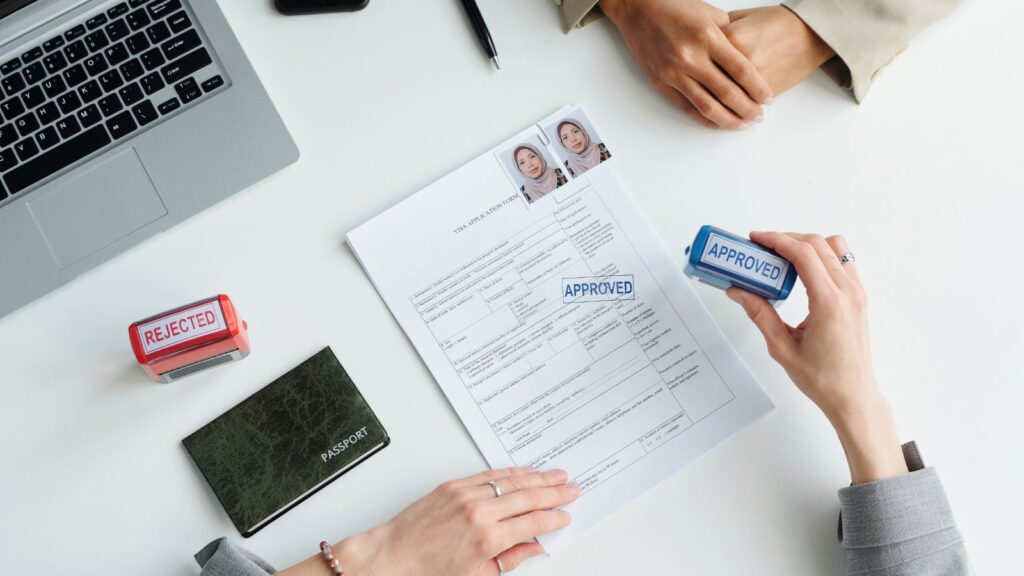
The Appointment Behind Every Extension
Applying from inside the UK runs in two stages: complete and submit the application online, then enrol fingerprints and a photograph at a service point — unless the ID Check app is offered, in which case no appointment is needed. Booking opens only after submission, and the decision clock starts at enrolment. Slot scarcity adds real time, and a paid decision service buys nothing while an appointment is still weeks away.

How the System Works
Applying from inside the UK is a two-venue process: the application itself happens online through gov.uk, and identity enrolment happens through UKVCAS — the UK Visa and Citizenship Application Services — at service points around the country. Your decision clock starts at enrolment, not submission, which makes the appointment the real start line of the application.
Components and Service Providers
The commercial layer is operated through TLScontact, whose booking platform lists core service points — where free appointments exist — alongside enhanced locations and premium lounges. The Home Office alternative is the ID Check app: eligible applicants with biometric passports verify identity from home and skip UKVCAS entirely, an option the application flow offers automatically where it applies.
Online Application
Account Setup
The online application creates or reuses your UKVI account, and accuracy at this stage propagates everywhere: names exactly as the passport spells them, addresses current, contact details personal rather than borrowed. The account created here is the same one your eVisa will live in, as our eVisa guide explains.
Completing the Form
The form branches on your answers, so errors compound: a wrong immigration history answer changes the questions asked and the evidence requested. Draft answers offline for the history sections — dates of every grant and refusal — and reconcile them against your documents before submitting, because post-submission corrections range from awkward to impossible.
Booking
Availability Realities
Booking opens after submission, and availability varies sharply by city and season — the free slots at core service points are taken first, and student surges empty entire weeks. If your timeline is tight, check appointment availability before choosing any paid decision service: a £500 priority fee buys nothing while you wait a fortnight for a slot, a trade-off our priority services guide prices out.
Appointment Types and Cost
Core service points offer free standard appointments; charges attach to popular locations, out-of-hours and weekend slots, premium lounges, and add-on services like document checking. None of the paid layers changes the decision or its speed — they change where and when you spend an hour.
Special Circumstances
Mobility needs, remote locations and vulnerable applicants have alternative arrangements, including home visits in limited cases — requested through the booking platform's support routes rather than improvised on the day.
The Appointment
Preparation
- Passport or travel document — the one named in the application.
- Appointment confirmation with its QR code.
- Any documents not already uploaded, ready for scanning.
- The application's supporting evidence list, as a final cross-check.
- Time margin: arrive early; late arrivals forfeit slots and fees.
Enrolment Itself
The appointment captures fingerprints and a photograph and verifies your identity against the application — typically under half an hour at a standard service point. Children attend with the responsible adult who signed their application; every applicant on a family application enrols, infants included.
Documents
Uploading in Advance
Self-upload before the appointment is free and safer: clear complete scans, correctly categorised against the evidence checklist, verified as legible before the slot. The categories matter — caseworkers navigate by them, and a bank statement filed under "other" is a document half-lost.
Scanning at the Appointment
Service points scan what you bring, free at core locations and charged as an assisted service elsewhere. It is the fallback, not the plan — upload failures discovered at the counter consume your appointment, and unscanned evidence simply never reaches the caseworker.
After Enrolment
Processing Begins
Enrolment confirmation marks the application complete and starts the service standard — eight weeks for most in-country routes, per our processing times hub. Requests for further evidence arrive by email against your account; answer them through the account, fast and completely.
Receiving the Decision
Decisions arrive digitally, with the eVisa updating in your UKVI account — there is no card to collect and no vignette to await for in-country grants. Check the eVisa's details against the decision letter the day it lands; correction is easiest immediately.
Common Errors
Form Mistakes
The recurring form failures: immigration history answered from memory rather than documents, names truncated or reordered against the passport, and the wrong application category chosen outright — the error that invalidates everything downstream. Ten minutes with the documents open prevents all three, and our immigration team sees the consequences of skipping them weekly.
Booking Issues
Missed appointments rebook without penalty only where notice rules were met; QR codes that fail at the desk trace to unpaid bookings or name mismatches; and the perennial free-slot famine resolves by distance — a core service point an hour away beats a paid slot tomorrow for most budgets. Rebook through the platform, never by simply not attending: an application left unenrolled eventually falls away as invalid.
Frequently askedQuestions about UKVCAS
What is UKVCAS?
The appointment service for in-country UK visa applications — where biometrics enrol and documents scan after the online application, at service points operated through TLScontact. The decision clock starts at your enrolment.
Are UKVCAS appointments free?
Standard appointments at core service points are free. Charges attach to convenient locations, evenings and weekends, premium lounges and assisted services — none of which affects the decision or its timing.
Can I skip the UKVCAS appointment?
If the application flow offers the ID Check app — typically for biometric passport holders on eligible routes — you verify identity by phone and no appointment is needed. The offer appears automatically where you qualify.
Should I upload documents or bring them to scan?
Upload in advance: it is free, you can verify legibility, and appointment time stays for enrolment. Bring originals as backup, and use counter scanning only for what upload genuinely failed.
What happens if I miss my appointment?
Rebook through the platform immediately — slots and some fees are forfeited by no-shows, and an application that never enrols biometrics is eventually treated as invalid. Persistent booking failures are worth escalating through the support channels with screenshots.
When does my visa decision clock actually start?
At biometric enrolment or ID Check completion — not when you submitted online or paid. Appointment scarcity therefore adds real time; book the earliest workable slot even if it means travelling.
From category choice to appointment strategy, we file in-country applications daily. Tell us your route and deadline and we'll sequence the steps.
Get Expert Advice